What Is Nattokinase? Full Benefits & Safety Guide
Discover what nattokinase is, how this fibrin-dissolving enzyme supports cardiovascular health, research-backed benefits, proper dosing, and safety considerations.
On this page:
- What Is Nattokinase?
- How Nattokinase Works in the Body
- Nattokinase Benefits: What Does Research Show?
- Nattokinase Optimal Dosing and Administration
- Is Nattokinase Safe? Side Effects and Precautions
- Nattokinase vs. Other Cardiovascular Supplements
- Choosing a Quality Nattokinase Supplement
- Conclusion
- FAQs About Nattokinase
Author: Maria Morgan-Bathke, PhD, RD
Published on: April 13, 2026
Cardiovascular health determines your quality of life more than most other factors. Your arteries either deliver oxygen-rich blood efficiently throughout your body, or they gradually narrow, forcing your heart to work harder with each passing year. Traditional approaches focus on managing symptoms through pharmaceutical interventions.
Nattokinase offers a different approach rooted in centuries of traditional Japanese nutrition and validated by modern clinical research. This fibrin-dissolving enzyme addresses a root cause of cardiovascular dysfunction that conventional medicine often overlooks.
Understanding what is nattokinase, how it functions at the molecular level, and whether it fits your health optimization strategy requires examining both traditional use and contemporary research.
What Is Nattokinase?
Nattokinase is a proteolytic enzyme extracted from natto, a traditional Japanese food made from fermented soybeans. The fermentation process involves Bacillus subtilis bacteria, which produce this powerful fibrinolytic enzyme during their metabolic activity.
The enzyme's primary function involves breaking down fibrin, a protein that forms the structural mesh of blood clots. While fibrin serves essential hemostatic functions in acute injury, excessive fibrin accumulation in blood vessels contributes to reduced circulation, increased thrombotic risk, and arterial stiffness.
Chemical Structure and Mechanism
Nattokinase functions as a serine protease, cleaving peptide bonds within fibrin molecules. This proteolytic activity differs fundamentally from anticoagulant medications that prevent clot formation. Nattokinase actively dissolves existing fibrin structures while also enhancing the body's natural fibrinolytic pathways.
The enzyme demonstrates stability across a relatively wide pH range and maintains activity at body temperature, making oral supplementation viable. Molecular weight analysis reveals nattokinase consists of 275 amino acids with a molecular mass of approximately 27.7 kDa.
In practical terms, this means nattokinase is a medium-sized protein, large enough to have potent enzymatic activity but small enough to survive digestion and reach the bloodstream when taken in the right formulation.
Historical Context
Natto has been consumed in Japan for over 1,000 years, primarily for nutritional value rather than medicinal properties. The isolation and characterization of nattokinase occurred in 1987 when researcher Hiroyuki Sumi discovered its potent fibrinolytic activity.
This discovery prompted extensive research into cardiovascular applications, transforming a traditional food enzyme into a studied therapeutic compound. The Japanese population's relatively low incidence of certain cardiovascular conditions compared to Western populations generated interest in dietary factors including natto consumption.
How Nattokinase Works in the Body
To understand how nattokinase produces its cardiovascular benefits, it helps to understand the problem it's solving.
Blood clots form when fibrin threads weave together into a mesh that traps blood cells and platelets. Your body produces its own enzyme, called plasmin, to break these clots down in a process called fibrinolysis. Think of plasmin as your body's natural clot-dissolving system. As we age, or under conditions of chronic stress and poor diet, this natural system becomes less efficient, allowing fibrin to accumulate in places it shouldn't.
Nattokinase supports and enhances this natural clot-clearing process through several pathways:
- Direct fibrinolytic activity: nattokinase breaks down fibrin directly, dissolving clots and supporting healthy blood flow
- Plasmin activation: it stimulates your body's own plasmin production, essentially waking up your natural clot-clearing system so it works more efficiently
- tPA enhancement: it boosts tissue plasminogen activator, a key protein your body uses to trigger fibrin breakdown throughout the circulatory system
- PAI-1 reduction: it lowers plasminogen activator inhibitor-1, a substance that normally puts the brakes on fibrin breakdown. Reducing PAI-1 means your body's clot-dissolving system can work with less interference
- Fibrin degradation: it breaks apart the cross-linked fibrin structures that form the most stubborn, established clots
In plain terms, nattokinase doesn't just dissolve clots directly. It also reactivates and amplifies your body's own clot-clearing machinery so the entire system becomes more effective.
Nattokinase Benefits: What Does Research Show?
Clinical investigations into nattokinase benefits have focused primarily on cardiovascular parameters, with particular attention to blood pressure, lipid profiles, and thrombotic markers.
Blood Pressure Reduction
A 2023 meta-analysis of randomized trials found that nattokinase reduced systolic blood pressure by −3.45 mmHg and diastolic blood pressure by −2.32 mmHg. This means it may help lower blood pressure slightly, though it is not a substitute for prescribed treatments.
While these reductions may appear modest in absolute terms, they represent clinically meaningful effects when maintained over extended periods.
The mechanism likely involves multiple pathways:
- Direct fibrinolytic activity reducing arterial stiffness; helps break down clot-forming proteins, keeping vessels more flexible
- Enhanced nitric oxide bioavailability supporting vasodilation; promotes vessel relaxation and widening
- Reduced inflammatory markers affecting endothelial function; supports a healthier vessel lining
- Improved blood viscosity facilitating easier circulation; makes blood less thick and easier to flow
The blood pressure effects accumulate gradually rather than producing immediate dramatic changes. Most studies demonstrate progressive improvements over 8 to 12 weeks of consistent supplementation.
Cholesterol and Lipid Profile Improvements
A clinical review found nattokinase supplementation reduced total cholesterol by approximately 10%, LDL cholesterol by approximately 11%, and triglycerides by approximately 12%.
These lipid-modulating effects occur through mechanisms distinct from statin medications. Rather than inhibiting cholesterol synthesis, nattokinase appears to enhance clearance of oxidized LDL particles and reduce inflammatory processes that contribute to dyslipidemia.
The triglyceride reduction proves particularly relevant for metabolic health, as elevated triglycerides correlate strongly with cardiovascular disease risk independent of LDL cholesterol levels.
Fibrinolytic and Antithrombotic Effects
The enzyme's primary mechanism involves direct fibrinolysis, breaking down fibrin meshes that contribute to thrombus formation. This activity extends beyond simple clot dissolution to include:
- Plasmin activation: stimulates your body's own natural clot-dissolving enzyme, helping your built-in fibrin-clearing system work more efficiently
- tPA enhancement: boosts the protein that acts as your body's "on switch" for clot breakdown, keeping the clot-clearing response active throughout the circulatory system
- PAI-1 reduction: lowers the substance that normally puts the brakes on fibrin breakdown, essentially removing the off switch so your body can clear clots more freely
- Fibrin degradation: breaks apart the most stubborn, chemically reinforced fibrin structures that your body's own enzymes often struggle to dissolve on their own
These combined effects create sustained fibrinolytic activity extending hours beyond initial administration. Unlike pharmaceutical fibrinolytics designed for acute thrombolytic therapy, nattokinase provides gentle, continuous support for natural clot resolution.
Arterial Health and Plaque Reduction
Emerging research suggests nattokinase may influence arterial plaque composition and stability. The mechanism likely involves:
- Reduction of fibrin within plaques: fibrin acts as a structural scaffold within plaque deposits. By dissolving this fibrin framework, nattokinase may help destabilize and reduce plaque size over time
- Decreased inflammatory signaling: inflammation drives plaque growth and makes existing plaques more unstable and prone to rupture. Reducing arterial wall inflammation slows this process
- Enhanced removal of oxidized lipoproteins: oxidized LDL cholesterol is the form most likely to embed in artery walls and trigger plaque formation. Better clearance of these particles reduces the raw material plaque needs to grow
- Improved endothelial function: the endothelium is the thin, delicate inner lining of your arteries. When it functions well, arteries stay flexible and resist plaque adhesion. Supporting endothelial health helps arteries maintain their natural protective properties
While definitive long-term studies on plaque regression remain limited, preliminary evidence indicates potential for meaningful arterial remodeling with sustained use.
Additional Cardiovascular Support
Beyond primary cardiovascular parameters, nattokinase demonstrates effects on:
- Blood viscosity: nattokinase reduces whole blood viscosity, which means it makes blood less thick so it flows more easily through even the smallest capillaries, improving circulation to tissues that larger vessels can't reach directly
- Platelet aggregation: platelets are the small blood cells that clump together to start clot formation. Nattokinase has modest antiplatelet effects, meaning it gently reduces the tendency of platelets to stick together unnecessarily, complementing its fibrin-dissolving activity
- Inflammatory markers: nattokinase decreases C-reactive protein and other inflammatory signaling molecules. C-reactive protein is one of the most commonly measured markers of systemic inflammation, and elevated levels are associated with higher cardiovascular risk
- Oxidative stress: free radicals are unstable molecules that damage blood vessel walls and accelerate arterial aging. Nattokinase has antioxidant activity that helps neutralize these damaging molecules, protecting the endothelium from ongoing oxidative wear
These multifaceted effects position nattokinase as a comprehensive cardiovascular support compound rather than a single-target intervention. For those interested in supplements that support heart health and healthy aging, nattokinase represents a research-backed option.
Nattokinase Optimal Dosing and Administration
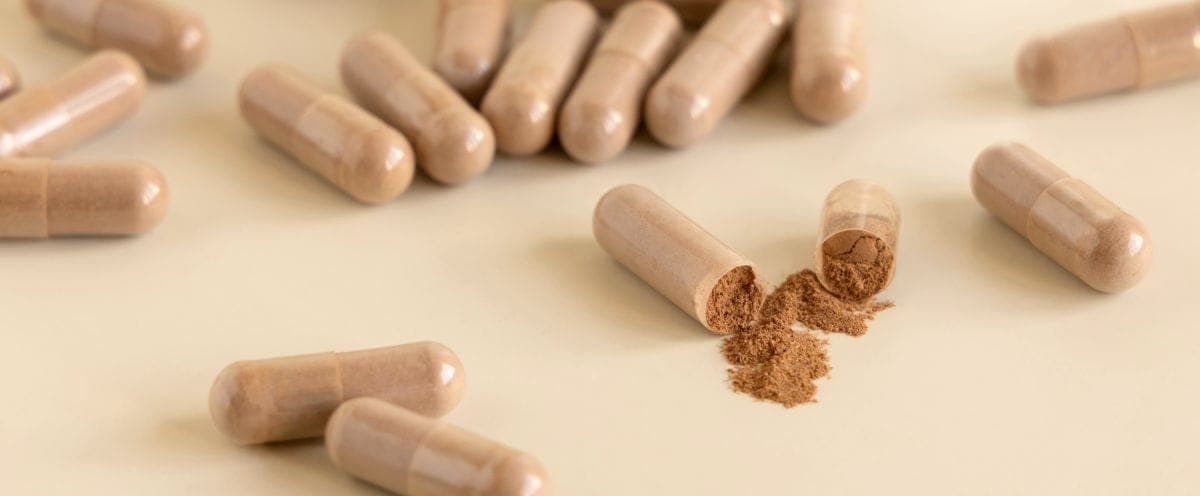
Clinical studies utilize varying doses of nattokinase, making optimal dosing determination complex. Most research employs doses between 2,000 and 10,800 fibrin units (FU) daily.
Dosing Considerations
Understanding which dose is appropriate for your situation depends on what you're trying to achieve and how you approach supplement quality.
Standard dose: 2,000 to 4,000 FU daily
This range is appropriate for general cardiovascular support and is the dose used in the foundational clinical trials establishing nattokinase's blood pressure and circulation benefits. It represents the best-evidenced starting point for people new to nattokinase who are focused on maintenance and prevention.
Clinical dose: 6,000 to 10,800 FU daily
For people targeting more comprehensive cardiovascular outcomes, including arterial plaque reduction, aggressive lipid improvement, and blood pressure support simultaneously, higher clinical-grade dosing is supported by large-scale research. This is where product quality becomes the deciding factor between meaningful outcomes and modest effects.
Healthletic's Ultimate Nattokinase is formulated at the full 10,800 FU clinical dose, supported by 1,000+ clinical studies and validated across 30,000+ real-world users. Several specific formulation features make this dose both effective and safe:
- 10,800 FU clinical dose: targets the full cardiovascular benefit profile. Real-world outcomes across 30,000+ users include 36% reduction in arterial plaque, 77% showing improved artery thickness, 25% lower cardiovascular death risk, and 33% lower stroke death risk
- Delayed-release capsules: standard capsules release nattokinase directly into the acidic stomach environment, where digestive enzymes can degrade the fibrinolytic enzyme before it reaches the bloodstream. Delayed-release technology protects nattokinase through the stomach and releases it in the small intestine where absorption is optimal, ensuring the full 10,800 FU stated dose translates into actual systemic activity
- 99.9% pharmaceutical-grade purity: at clinical doses, purity is a functional requirement rather than a marketing distinction. Contaminants and degraded enzyme fractions occupy space in the capsule without contributing fibrinolytic activity, effectively reducing the real dose you receive
- Third-party USA lab tested: independent verification confirms the stated 10,800 FU activity is accurate and reproducible across batches, not simply a manufacturer claim
- Vitamin K2-free formulation: whole natto contains substantial vitamin K2, which can interfere with certain blood-thinning medications. Healthletic's formulation removes vitamin K2 during processing, making it appropriate for a broader population
- Made in an FDA-registered facility: manufacturing standards directly affect product consistency and long-term stability
- Rated 4.83 by 3,000+ customers: real-world outcomes across a large, verified user base reflect consistent product performance
The gap between a standard 2,000 FU supplement and a verified 10,800 FU delayed-release formulation is not simply a matter of dose. It represents a different physiological target entirely, one that the advanced clinical research supports for people managing meaningful cardiovascular risk rather than basic maintenance.
Bioavailability and Absorption
Nattokinase is a protein, which means it can be broken down by digestive enzymes before it gets into the bloodstream. This makes absorption more difficult.
To help with this, some supplements use special coatings, such as enteric or delayed-release capsules. These protect nattokinase from stomach acid so more of it can pass into the intestines, where absorption is better.
Research shows that after taking nattokinase by mouth, its activity can be detected in the blood. This means some of it does enter the bloodstream and remains active.
Its effects usually begin within about 4 to 8 hours after taking it and can last for roughly 8 to 12 hours.
Is Nattokinase Safe? Side Effects and Precautions
Human clinical research have not found harmful effects from daily nattokinase use, suggesting it is generally safe. However, there are some important risks and precautions to keep in mind.
Bleeding Risk
Nattokinase helps break down blood clots and can also reduce platelet activity. While this can be beneficial, it may increase the risk of bleeding in some people.
Do not use nattokinase if you have:
- Active bleeding disorders
- A planned surgery (stop at least 2 weeks before)
- Hemophilia or other clotting problems
- Recent injuries with a risk of bleeding
Drug Interactions
Nattokinase can strengthen the effects of certain medications, increasing bleeding risk.
Use caution if taking:
- Blood thinners (such as warfarin or heparin)
- Antiplatelet drugs (such as aspirin or clopidogrel)
- NSAIDs (such as ibuprofen or naproxen)
- Clot-busting drugs (used in emergencies for stroke or heart attack)
If combined, medical supervision is important, and medication doses may need adjustment.
Vitamin K Considerations
Traditional natto (the food source) contains high levels of vitamin K2, which can interfere with some blood-thinning medications like warfarin.
Most nattokinase supplements remove vitamin K, but it’s still important to check the label if you are taking anticoagulants.
Common Side Effects
Side effects are uncommon and usually mild. They may include:
- Mild stomach discomfort
- Headache (rare)
- Skin reactions (very rare)
These often improve with continued use or by adjusting the dose.
Special Populations
Pregnancy and lactation: Insufficient safety data necessitates avoidance during pregnancy and breastfeeding.
Pediatric use: No established safety or efficacy data support use in children.
Elderly individuals: Generally well-tolerated, though bleeding risk assessment becomes particularly important given frequent polypharmacy in this population.
Nattokinase vs. Other Cardiovascular Supplements
Understanding how nattokinase compares to other options helps clarify when it may be useful.
Nattokinase vs. Pharmaceutical Blood Thinners
Nattokinase works by breaking down fibrin, a key component of blood clots. This means it may help reduce existing clot buildup.
Medications like anticoagulants work differently. They slow down or block the body’s clotting process to prevent new clots from forming, but they do not actively break down clots that already exist.
Because of this, nattokinase is not a replacement for prescribed blood thinners. Instead, it may play a different, supportive role. Any combination should only be considered with medical guidance.
Nattokinase vs. Other Fibrinolytic Enzymes
Several natural enzymes also affect clotting and inflammation:
- Lumbrokinase: Derived from earthworms, known for strong clot-breaking activity
- Serrapeptase: Derived from silkworms, mainly used for reducing inflammation
- Bromelain: Found in pineapple, has mild effects on clotting and inflammation
Nattokinase stands out because:
- It has been studied more extensively in humans
- Its mechanism is well understood
- It remains active after oral use, meaning it can be absorbed and work in the body
How It Fits into a Heart Health Plan
Nattokinase works best as one part of a broader approach to cardiovascular health, not as a standalone solution.
Key foundations include:
- A diet rich in omega-3 fatty acids and anti-inflammatory foods
- Regular physical activity to support blood vessel health
- Stress management to keep hormones balanced
- Consistent, good-quality sleep
- Targeted supplements based on individual needs
For those exploring supplements that support recovery and overall wellness, nattokinase may support healthy circulation and help manage inflammation, complementing other lifestyle and nutritional strategies.
Choosing a Quality Nattokinase Supplement
Not all nattokinase supplements are the same. These factors help you identify a high-quality product:
Potency (Fibrin Units, or FU)
Reputable manufacturers standardize products to specific fibrin unit (FU) content. Avoid products listing only milligram amounts without FU specification, as enzymatic activity rather than mass determines efficacy.
Healthletic's Ultimate Nattokinase provides transparent FU labeling with third-party verification, ensuring you receive the stated 10,800 FU clinical dose rather than relying on manufacturer claims alone. This level of standardization and verification separates research-grade supplements from commodity products.
Purity and Vitamin K Removal
High-quality supplements undergo purification processes removing vitamin K and other components that may cause interactions or adverse effects. Verification of vitamin K removal appears particularly important for individuals on anticoagulant therapy.
Third-Party Testing
Reliable supplements are tested by independent labs to confirm:
- Accurate FU potency
- No contaminants or adulterants
- Microbial safety
- Low levels of heavy metals
Third-party certification adds an extra layer of trust.
Capsule Design
Nattokinase is sensitive to stomach acid, so delivery matters.
- Enteric-coated or delayed-release capsules help protect the enzyme
- This improves the chances it reaches the intestines intact
- Standard capsules may reduce effectiveness due to breakdown in the stomach
Conclusion
Nattokinase may support cardiovascular health in several ways, including helping maintain normal blood pressure, supporting healthy cholesterol levels, and promoting natural clot breakdown.
It combines traditional food-based origins with modern research, making it an option for those looking to support heart health alongside lifestyle changes.
Healthletic's Ultimate Nattokinase delivers a powerful 10,800 FU per dose in delayed-release capsules that help protect the enzyme and maximize absorption. Each batch is independently tested for purity and potency, so you know exactly what you’re getting. It’s a simple, reliable way to support healthy circulation and overall cardiovascular function.
FAQs About Nattokinase
What is nattokinase used for?
Nattokinase is mainly used to support heart and blood vessel health. It may help with:
- Maintaining healthy blood pressure
- Supporting balanced cholesterol levels
- Improving circulation
- Reducing the risk of unwanted blood clot formation
It works by breaking down fibrin, a protein involved in clot formation, which helps keep blood flowing smoothly.
How much nattokinase should I take daily?
Research supports doses ranging from 2,000 to 10,800 FU daily depending on therapeutic goals. General cardiovascular support typically uses 2,000 to 4,000 FU, while more targeted applications may employ higher doses under medical guidance. Clinical studies demonstrate progressive benefits over 8 to 12 weeks.
Is nattokinase safe to take daily?
Clinical research demonstrates nattokinase safety with daily use in healthy individuals. Studies show no adverse effects when used appropriately. However, bleeding risk increases when combined with anticoagulant medications. Consultation with healthcare providers is essential before starting supplementation, particularly for those with bleeding disorders or taking blood-thinning medications.
What are nattokinase side effects?
Side effects are uncommon and usually mild. They may include:
- Mild stomach discomfort
- Headache (rare)
- Skin reactions (very rare)
The main concern is increased bleeding risk in certain individuals.
Can I take nattokinase with blood pressure medication?
Nattokinase may enhance blood pressure-lowering effects of antihypertensive medications. While this isn't necessarily contraindicated, medical supervision ensures appropriate dose adjustments and monitoring. The combination requires particular attention to avoid excessive blood pressure reduction. Consult your physician before combining nattokinase with cardiovascular medications.
How long does it take for nattokinase to work?
Results build gradually with consistent use:
- 4 to 8 weeks: early improvements, such as blood pressure support
- 8 to 12 weeks: broader cardiovascular benefits
Its effects develop over time as it helps reduce fibrin buildup and supports overall vascular health.

Maria Morgan-Bathke, PhD, RD
PhD in Nutritional Sciences | MBA (Health Care Management) | Registered Dietitian
Maria holds a B.S. in Dietetics from UW–Stout, a Ph.D. in Nutritional Sciences from the University of Arizona, and an MBA in health care management from Viterbo University. She completed a Medical Nutrition Therapy–focused dietetic internship at Carondelet Health System and a postdoctoral fellowship at the Mayo Clinic in the Endocrine Research Unit with Dr. Michael Jensen.
She is an Associate Professor, Department Chair, and Dietetic Internship Director at Viterbo University, an Adjunct Professor at Saybrook University, and a Registered Dietitian for Nourish. She is also the founder of Dr. Maria’s Nutrition and Wellness. Her research interests include obesity and weight management, inflammation, insulin signaling, cardiometabolic health, and women’s health.